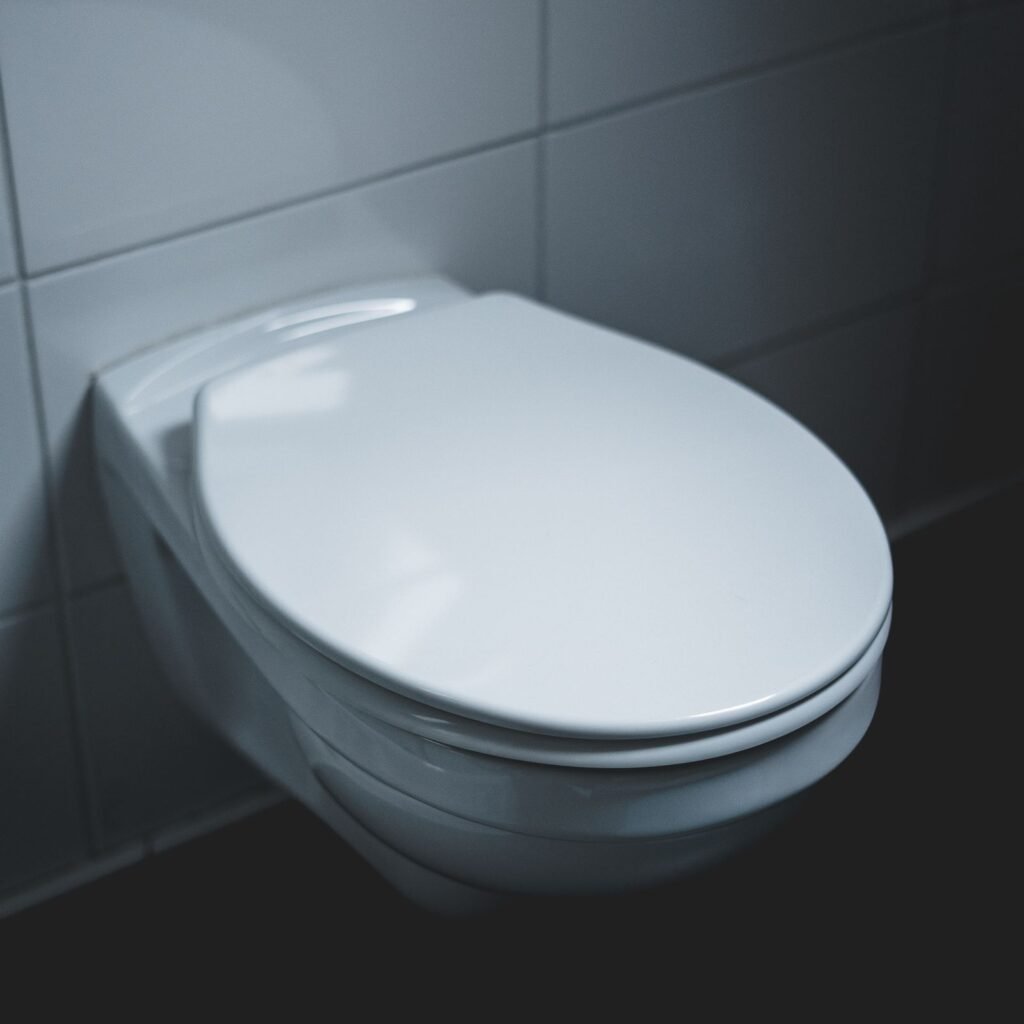
You flush, and instead of a clean swirl you hear a glug, see bubbles rising in the bowl, or watch the water climb higher than it should before it finally drains. It is easy to ignore because the toilet still works, but a bubbling toilet is your plumbing trying to tell you something. Sometimes it is a simple clog. Sometimes it is an early warning that your main sewer line is in trouble.
Here is what causes it, how to figure out which problem you have, and what to do before a small gurgle turns into a basement backup.
Why Toilets Bubble: It Is All About Air
Every drain in your home connects to a vent pipe that runs up through the roof and lets air into the drain lines. When you flush, the rushing water pushes air ahead of it. If that air cannot move freely because something is blocking the drain or the vent, it escapes the easiest way it can, often straight back up through the toilet bowl. Bubbles mean trapped air. The real question is where it is getting trapped.
The 4 Most Common Causes in Lombard Homes
1. A Partial Clog in the Toilet or Branch Drain
If only one toilet bubbles and everything else drains normally, the problem is usually close by. Too much toilet paper, “flushable” wipes, cotton swabs or a child’s toy can partially block the trap or branch line. Water squeezes past, but air gets pushed back up.
Clue: The bowl drains slowly, fills higher than usual, then bubbles as it empties.
2. A Blocked Roof Vent
Plumbing vents can get plugged by leaves, bird nests, debris and, here in DuPage County, snow and ice. During long cold snaps, warm moist air from the drain system can freeze as frost at the top of the vent pipe and gradually close it off. North Dakota State University Extension lists gurgling or poorly flushing toilets as early warning signs of a frozen sewer vent, and notes that a blocked vent can pull water out of fixture traps and let sewer gas into the home.
Clue: Gurgling in several fixtures, slow drains with no obvious clog, or a sewer smell, especially during a hard freeze from November through February.
3. A Clogged Main Sewer Line
This is the one to take seriously. Many homes in Lombard, Glen Ellyn and Villa Park were built decades ago with clay or cast iron sewer laterals running under mature parkway trees. Roots slip into tiny cracks, grow inside the pipe and catch grease, wipes and debris until the line is nearly blocked, forcing every drain in the house to push water and air through one narrow opening.
Clue: The toilet bubbles when you run the washing machine, shower or kitchen sink. Water gurgles up in a basement floor drain or the lowest tub. Several fixtures drain slowly at once.
4. Heavy Rain and an Overloaded Sewer
After a strong storm, sewer lines across the area can run full, pushing air and water back toward your house. If bubbling only shows up in the lowest toilet or floor drain during or right after big storms, ask a plumber about backflow protection for your basement.
Quick Checks You Can Do at Home
Before you call, a few simple tests can help narrow it down:
- Is it one toilet or several fixtures? One toilet points to a local clog. Multiple fixtures point to the main line or the vent.
- Run the washing machine or a bathtub. If the toilet bubbles while other drains are running, suspect the main sewer line.
- Check your lowest drain. Water or debris around a basement floor drain is a strong sign of a main line blockage.
- Notice the weather. Gurgling that starts during a deep freeze points to a frozen vent. Bubbling during heavy rain points to an overloaded sewer.
What You Can Safely Try
- Plunge the toilet. Use a flange plunger with a good seal and firm, steady pushes. This often clears a partial clog in the bowl or trap.
- Stop flushing wipes. Even wipes labeled “flushable” are a leading cause of clogs in residential sewer lines.
- Skip the chemical drain cleaners. They rarely reach the real blockage, can damage older pipes and seals, and make the job more hazardous for whoever has to open the line later.
- Stay off icy roofs. Clearing a vent in winter is a job for someone with the right ladder and safety gear.
When to Call a Plumber
Call for help if plunging does not fix it, if more than one fixture is gurgling, or if you see any of these warning signs:
- Water backing up into a tub, shower or basement floor drain
- Toilets that bubble whenever the washer drains
- A sewer smell inside the house
- Bubbling that keeps coming back, even after the toilet is cleared
A plumber can run a camera through the line to see whether it is roots, a sag, a cracked pipe or a simple clog. For a clogged main line, cable cleaning or hydro jetting can restore full flow. If the camera shows broken or root-damaged pipe, sewer line repair can fix the right section without digging up the whole yard. If the problem is the toilet itself, toilet repair may be all you need.
A Note for Lombard Residents
In most cases, the homeowner is responsible for the sewer service line from the house to the public main. If a backup seems to be coming from the public sewer, or you see sewage overflowing outside, contact the Village of Lombard Public Works Department. The Village also has a Sewer Stub Program and an Overhead Sewer Reimbursement Program for some situations, so it is worth asking Public Works before work begins on the part of the line in the Village right of way.
Prevent It From Happening Again
- Flush only toilet paper. Wipes, paper towels and hygiene products belong in the trash.
- If you have mature trees and an older home, consider a sewer camera inspection before roots cause a backup.
- Get your basement ready for storm season with our sump pump maintenance checklist, and protect your pipes this winter with our guide to preventing frozen pipes in Lombard.
Need Help With a Bubbling Toilet?
Catching a gurgling toilet early can save you from a messy basement backup. If your toilet keeps bubbling or several drains are acting up, call Plumbing Lombard at (630) 403-0888. Our line is answered 24/7, and we will get a local plumber to you who can find the cause and explain your options. If water is already backing up, see our emergency plumbing page for what to do while help is on the way.